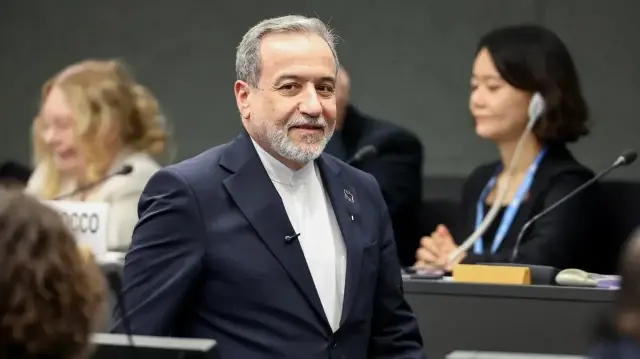
Fresh diplomatic momentum is building in the long-running standoff between Washington and Tehran. Officials confirmed that another round of negotiations will take place later this week in Switzerland, signaling cautious optimism despite ongoing tensions.
Badr al-Busaidi, Oman’s foreign minister, announced on Sunday that discussions between the two sides are set for Thursday in Geneva. In a message shared online, he expressed satisfaction at the progress and emphasized a shared determination to go “the extra mile” to finalize an agreement. Oman has played a quiet but crucial mediating role in recent years, hosting indirect talks and facilitating communication between the two longtime adversaries.
Shortly before Oman’s confirmation, Abbas Araghchi indicated he anticipated meeting U.S. envoy Steve Witkoff during the upcoming session. There has been no immediate public response from the White House regarding the announcement.
Narrow Focus on the Nuclear Issue
In a televised interview, Araghchi said there remains a “good chance” for diplomacy to succeed, stressing that the negotiations are centered exclusively on Iran’s nuclear activities. According to him, both sides are exploring practical proposals, and Tehran is working on a draft framework that could potentially move talks forward.
However, deep divisions persist. The United States maintains that Iran must not possess nuclear weapons or the capability to build them, and that uranium enrichment should not continue. Tehran, for its part, insists that enrichment is its sovereign right and maintains that its nuclear program is peaceful in nature.
Tensions have escalated in parallel with diplomatic efforts. The administration of Donald Trump has increased military deployments in the Middle East, the largest buildup in decades. Trump recently warned that limited strikes against Iran remain an option if negotiations collapse.
Araghchi countered that U.S. officials had not formally demanded zero enrichment in the latest discussions, a statement that contrasts with public comments from Washington. Despite conflicting narratives, both countries have signaled that they are prepared for confrontation should talks fail.
Meanwhile, Iranian President Masoud Pezeshkian acknowledged that recent exchanges included constructive proposals and “encouraging signals.” Still, he cautioned that Tehran is closely monitoring U.S. actions and has prepared for “any potential scenario.”
A History of Deadlock
Efforts to resolve the nuclear dispute have struggled for years. Talks stalled after the United States withdrew in 2018 from the landmark 2015 nuclear agreement negotiated between Iran and world powers. Since then, Iran has resisted broader demands from the U.S. and Israel to scale back its missile program and curtail support for regional armed groups.
While Tehran insists it halted uranium enrichment following U.S. and Israeli strikes on its nuclear facilities in June, Western governments remain skeptical. They argue that Iran’s nuclear ambitions could eventually shift toward weapons development, a claim Iranian officials firmly deny.
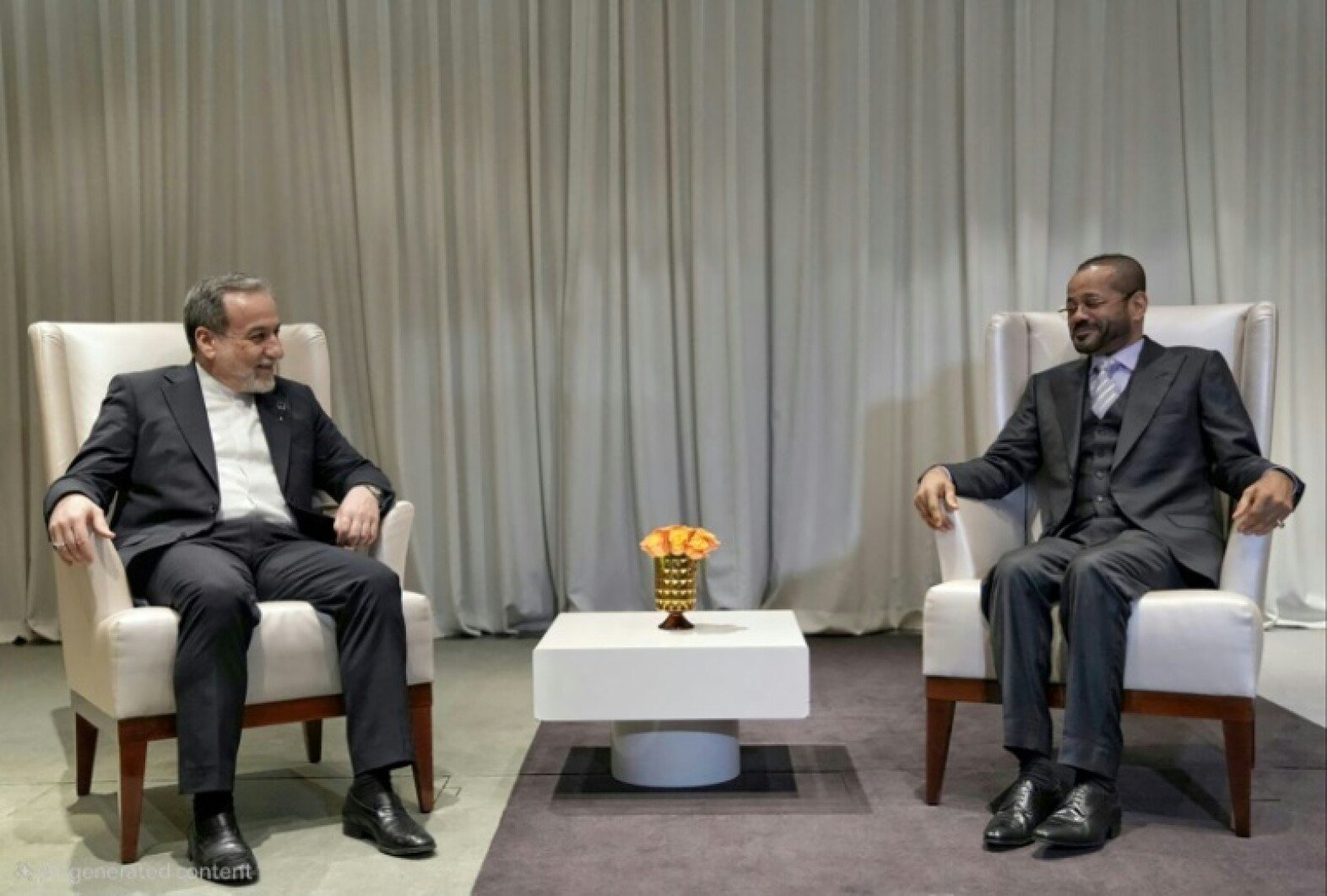
The upcoming Geneva meeting represents one of the most serious attempts in recent years to revive diplomacy and avoid further escalation.
Protests Resurface Across Iran
The announcement of renewed negotiations comes amid renewed unrest inside Iran. Witnesses and local reports indicate that students in Tehran and other cities have gathered at universities to mark the 40-day mourning period for those killed during earlier nationwide demonstrations.
According to Iran’s state news agency, protests took place at five universities in the capital and one in the northeastern city of Mashhad. These gatherings followed memorial ceremonies commemorating individuals who died during anti-government protests in early January.
Iran’s government has yet to comment on the latest wave of demonstrations.
The tradition of holding 40-day memorials carries deep historical significance in Iran. During the 1979 Islamic Revolution, such ceremonies frequently evolved into mass rallies, often triggering further clashes with security forces.
Activists allege that authorities have attempted to restrict attendance at some of these recent memorials. Videos circulating on social media suggest smaller protests continue, despite an earlier and sweeping crackdown.
Human rights groups estimate that thousands were killed during the previous unrest, with many more detained. Iran’s official figures report a lower death toll. Independent verification remains difficult, as authorities have restricted internet access and international communications.
A Delicate Crossroads
As Geneva prepares to host another high-stakes diplomatic session, the situation remains fragile. On one hand, both Washington and Tehran are publicly leaving room for negotiation. On the other, military warnings and domestic unrest underscore how volatile the environment remains.
The upcoming meeting could mark a step toward de-escalation—or deepen divisions if expectations are not met. For now, the world watches closely as two longstanding rivals attempt once again to bridge a divide that has shaped Middle Eastern geopolitics for decades.