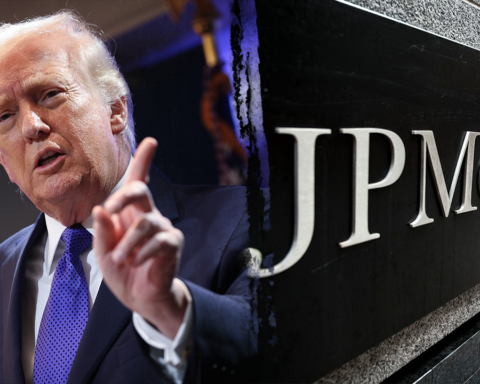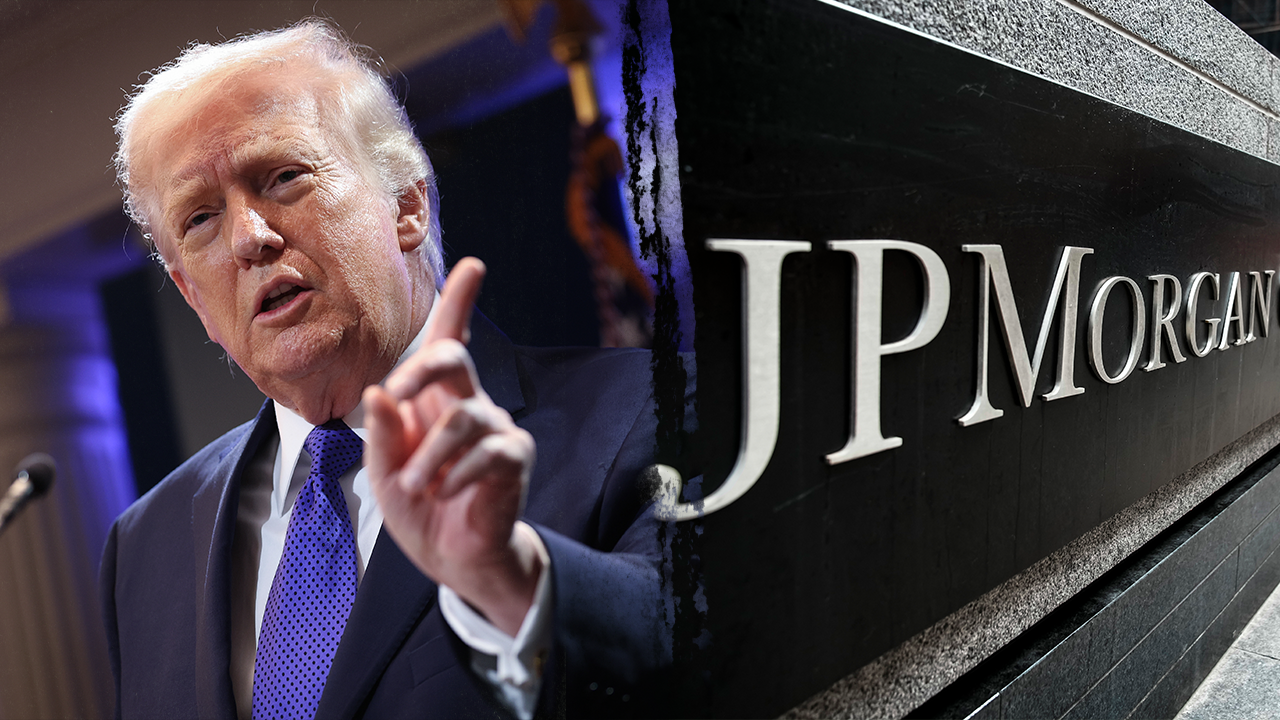
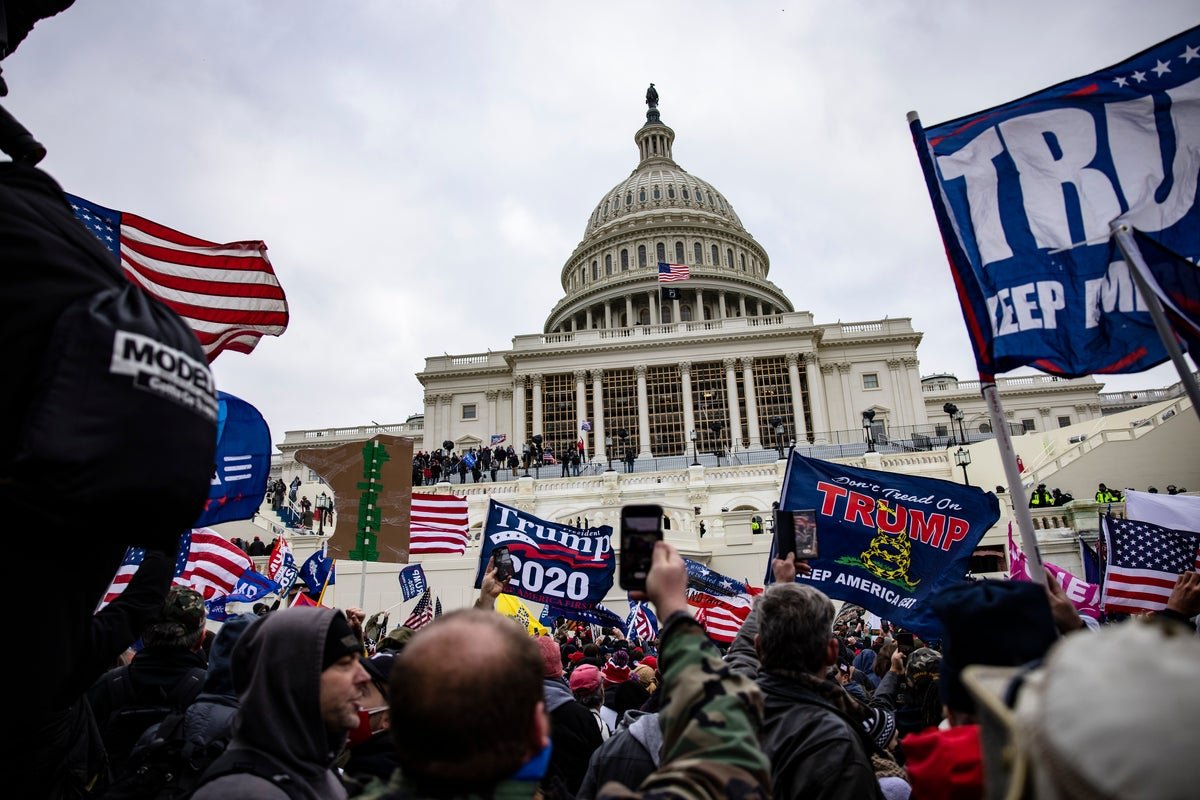
JPMorgan Chase has, for the first time, publicly acknowledged that it shut down the bank accounts of President Donald Trump and several of his affiliated businesses following the fallout from the January 6, 2021 attack on the U.S. Capitol. The admission marks a significant moment in an ongoing legal and political battle centered on the contentious practice known as “debanking.”
The disclosure was made in a recent court filing connected to Trump’s lawsuit against the bank and its CEO, Jamie Dimon. The president is seeking $5 billion in damages, claiming that the account closures were politically motivated and disrupted his business operations.
A Court Filing Brings New Clarity
In the filing, Dan Wilkening, JPMorgan’s former chief administrative officer, stated that in February 2021, the bank notified the plaintiffs that certain accounts within its private bank (PB) and commercial bank (CB) divisions would be closed. The PB and CB designations refer to JPMorgan’s private and commercial banking units.
Until this filing, JPMorgan had not directly confirmed that it terminated Trump’s accounts. The bank had previously limited its public comments to general policies about how and why financial institutions sometimes close accounts.
Attempts to obtain additional comment from the bank were unsuccessful.
Where the Legal Fight Stands
Trump initially filed the lawsuit in Florida state court, citing his primary residence in the state. JPMorgan, however, is pushing to relocate the case to New York, arguing that the accounts in question were held there and that much of Trump’s business activity was historically based in the state.
The lawsuit includes claims of trade libel and alleges that Dimon personally violated Florida’s Unfair and Deceptive Trade Practices Act. According to the complaint, Trump attempted to raise the matter directly with Dimon when the account closures began. The lawsuit asserts that Dimon indicated he would look into the issue but ultimately failed to follow up.
Additionally, Trump’s legal team claims that JPMorgan placed him and his businesses on an internal reputational “blacklist,” which they allege may have influenced other banks’ decisions to deny services in the future.
JPMorgan has maintained that the lawsuit lacks merit.
The Broader Debate Over “Debanking”
The controversy fits into a wider national debate over debanking — when a financial institution closes accounts or refuses services such as loans or credit facilities to a customer. While once a niche financial compliance issue, debanking has increasingly taken on political overtones.
Trump’s attorneys argue that the bank’s admission supports their broader claim. In a statement, they characterized the move as intentional and unlawful, alleging substantial financial harm to Trump, his family, and his companies.
The issue of debanking first gained national attention during the Obama administration’s “Operation Choke Point,” when conservatives accused federal regulators of pressuring banks to sever ties with gun retailers and payday lenders. In recent years, several conservative public figures have alleged they were denied banking services due to “reputational risk” assessments following the events of January 6.
Since returning to office, Trump’s administration has reportedly taken steps aimed at limiting regulators’ ability to allow banks to cite “reputational risk” as grounds for denying services.
Not the Only Banking Dispute
This lawsuit is not Trump’s only legal challenge involving financial institutions. In March 2025, the Trump Organization filed a separate lawsuit against Capital One, alleging similar debanking practices. That case remains ongoing.
As the litigation unfolds, the case could have broader implications for how banks assess client risk, navigate politically sensitive relationships, and balance regulatory compliance with accusations of political bias. With JPMorgan confirms it terminated Trump’s banking accounts after the January 6 Capitol riot, the dispute has moved from speculation to formal acknowledgment — setting the stage for what could become a defining legal battle over financial access and political neutrality in America’s banking system.