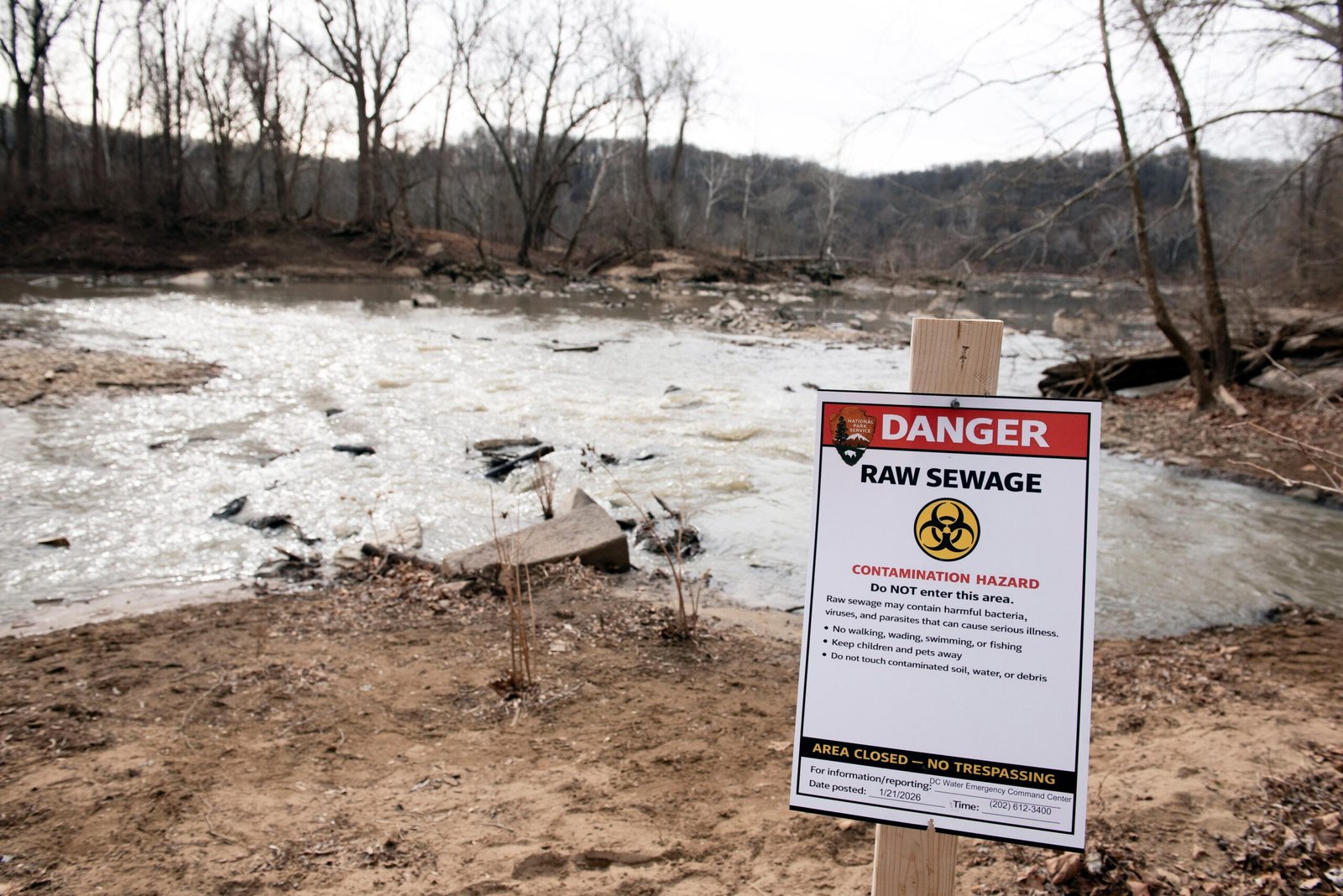
In the wake of a major environmental incident, Trump authorizes federal disaster aid for Washington, D.C., following a sewage spill into the Potomac River, marking a significant step in the federal response to the crisis. The decision comes after millions of gallons of untreated wastewater flowed into one of the region’s most vital waterways.
Federal Assistance Approved After Massive Spill
President Donald Trump approved emergency assistance to help Washington, D.C., respond to a severe sewage system failure that released at least 250 million gallons of raw sewage into the Potomac River. The move enables the Federal Emergency Management Agency (FEMA) to provide critical equipment, manpower, and technical resources to support containment and recovery efforts following the Jan. 19 rupture.
FEMA confirmed the authorization on Saturday, stating that federal assets would be deployed to help local agencies manage the environmental and infrastructure damage caused by the spill.
Emergency Declaration From D.C. Leadership
Earlier in the week, Muriel Bowser, Mayor of Washington, D.C., formally declared a state of emergency and requested federal support. Her office emphasized the scale of the rupture and the strain it placed on local resources.
The emergency declaration came amid mounting concerns over public health, environmental damage, and the long-term repairs required to restore the city’s wastewater infrastructure.
Political Tensions Surround the Response
The federal approval followed public criticism from President Trump regarding how local leaders managed the situation. In a series of social media posts, he faulted Democratic officials for what he described as a slow or insufficient response. He specifically pointed to Wes Moore, Maryland’s governor, while arguing that federal intervention was necessary.
Trump asserted that local authorities had not acted quickly enough to seek federal disaster relief, although agencies were already coordinating with federal partners before the official declaration.
EPA and Local Utilities Already Engaged
Even prior to the formal disaster aid authorization, the Environmental Protection Agency (EPA) had been actively involved in evaluating environmental risks and assisting with containment strategies. Local utility provider DC Water has also been working around the clock to stabilize the damaged system and monitor water quality.
The Source of the Spill
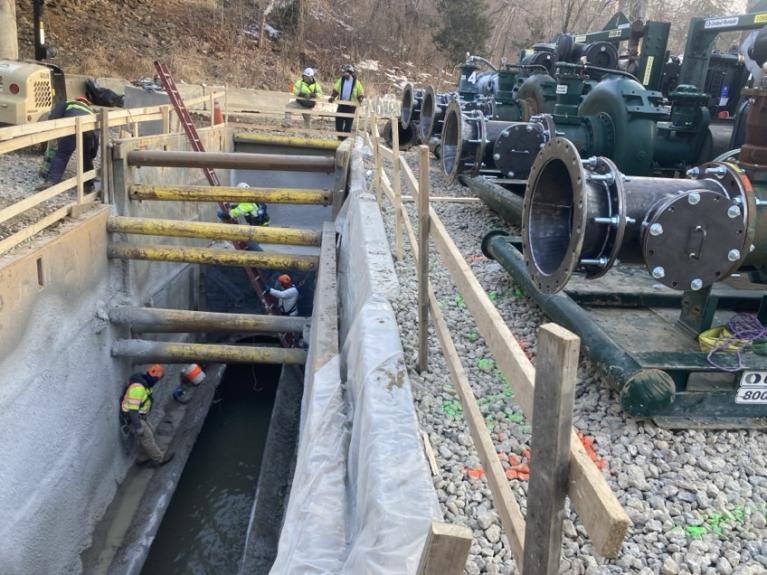
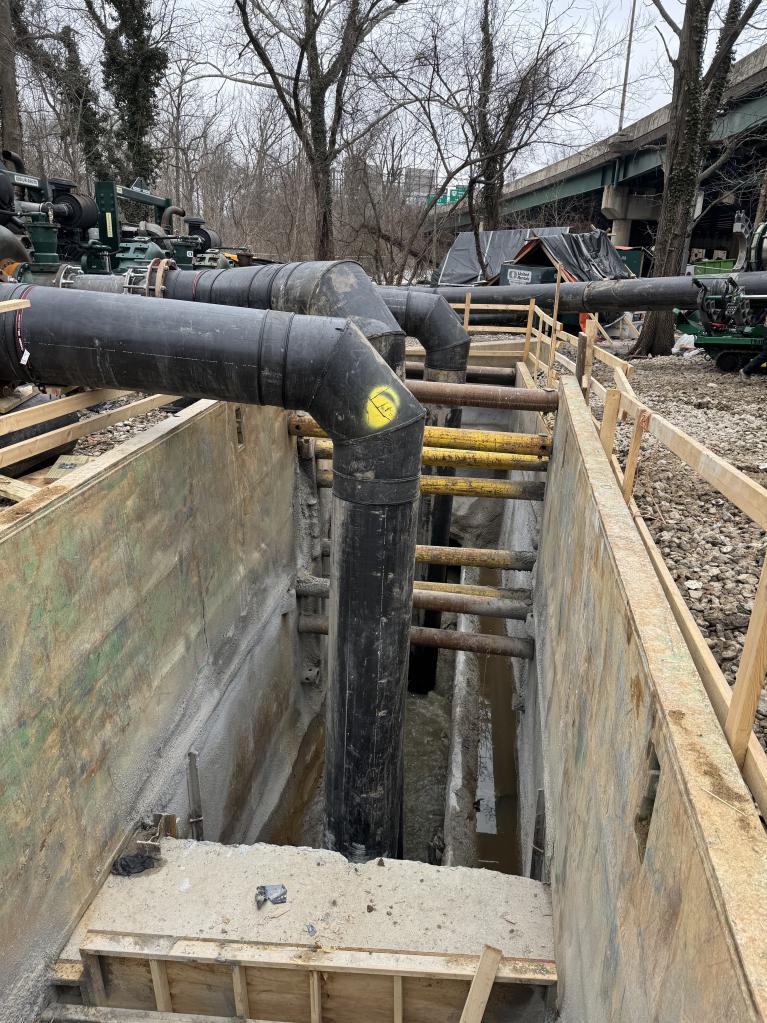

The crisis began when a 72-inch pipeline known as the Potomac Interceptor burst on Jan. 19. The rupture occurred just north of Washington, sending untreated wastewater into the Potomac River over a five-day period. The sheer volume — an estimated 250 million gallons — raised alarms about ecological damage and downstream impacts.
Current Status and Public Safety
Officials say the immediate leak has largely been contained, but permanent repairs to the massive pipeline could take several months. Crews continue to reinforce the damaged infrastructure while assessing long-term environmental consequences.
Authorities have reassured residents that the region’s drinking water remains safe. However, individuals who use the Potomac River for boating, fishing, or other recreational activities are being urged to avoid direct contact with the water until testing confirms safe conditions.
Looking Ahead
While emergency measures are now in place, the incident has sparked broader conversations about aging infrastructure, intergovernmental coordination, and environmental oversight. The federal aid approval provides short-term relief, but long-term restoration and prevention efforts will likely require sustained investment and cooperation across city, state, and federal agencies.
As cleanup operations continue, attention remains focused on safeguarding public health and preventing similar incidents in the future.