Deadly death cap mushrooms are spreading in California after heavy rains, leaving four people dead, prompting urgent warnings from health officials as cases of severe poisonings surge following an unusually wet season.
After a rainy winter created ideal growing conditions, the highly toxic death cap mushroom has multiplied rapidly across California. So far, four people have died and at least three others have required emergency liver transplants after unknowingly consuming the mushroom. Health authorities say the scale of poisonings this year is far beyond what’s typically seen.
According to the California Department of Public Health, more than three dozen death cap poisoning cases have been reported since November 18. Many patients developed sudden and severe liver damage, with several needing intensive care. Those affected range from toddlers as young as 19 months to adults in their late 60s.
Why Death Caps Are So Dangerous
Death cap mushrooms are considered among the most poisonous mushrooms in the world. They contain amatoxins—extremely potent toxins responsible for roughly 90% of fatal mushroom poisonings globally. Even a small bite can be deadly, and cooking, drying, or freezing the mushroom does nothing to reduce its toxicity.
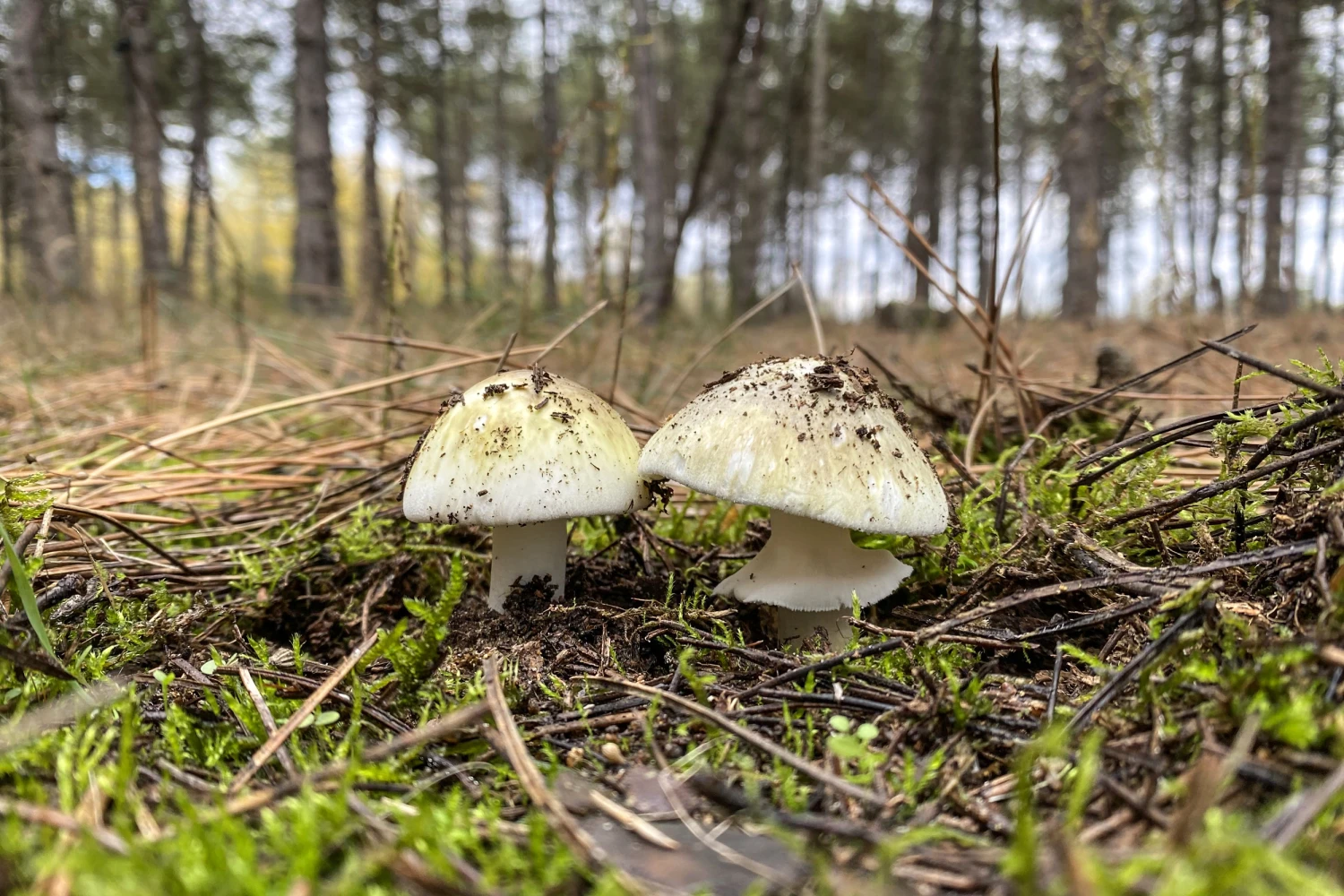
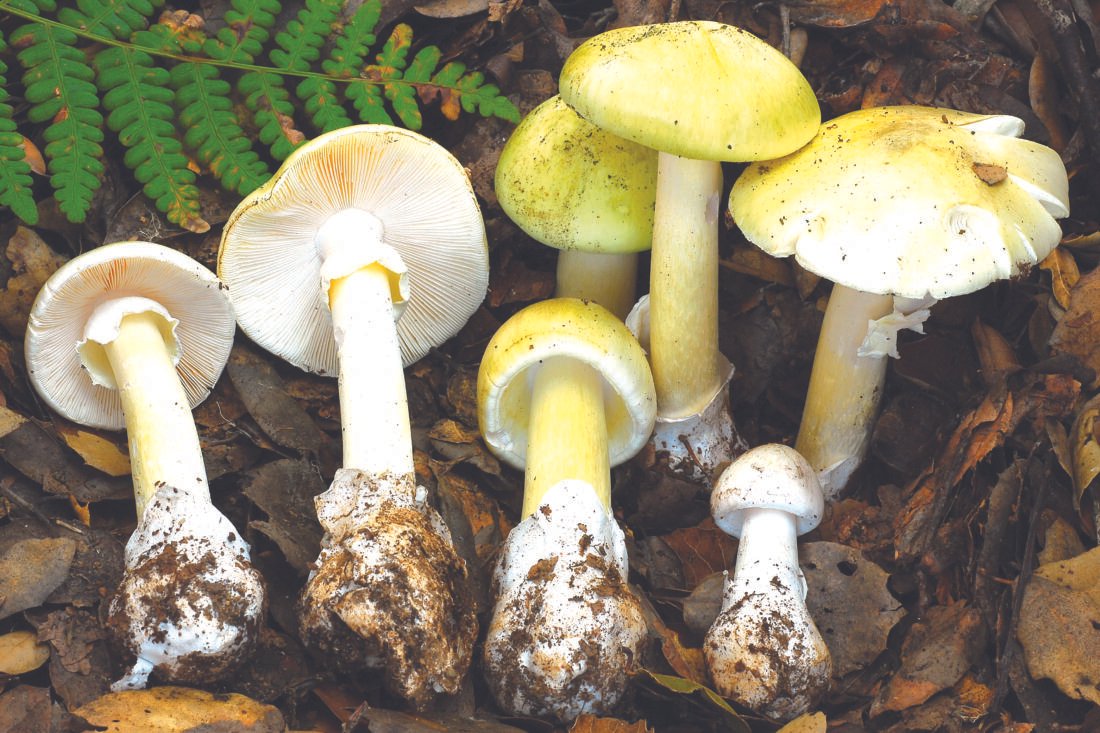
These mushrooms are commonly found in forests, city parks, and residential areas, especially beneath oak trees. Experts warn that their appearance can easily mislead foragers, as death caps closely resemble many edible mushroom varieties found worldwide.
Unusual Spike in Poisonings
In a typical year, California sees only two to five death cap poisoning cases. This year’s nearly 40 reported incidents are highly unusual. Experts attribute the surge to warm fall temperatures combined with early and heavy rains, creating what they describe as a “super bloom” of the deadly fungi.
The mushroom also changes appearance as it matures, shifting from a brownish-white cap to greenish tones, making visual identification unreliable—even for experienced foragers.
A Family’s Tragic Mistake
One affected family from Salinas unknowingly gathered death cap mushrooms that resembled edible varieties they were familiar with from southern Mexico. Believing them to be safe, the adults ate the mushrooms twice. Within days, both fell violently ill. While one survived after days in the hospital, the other required a life-saving liver transplant.
Health officials say such stories underscore how easily fatal mistakes can happen, especially among communities where foraging is a cultural tradition.
Symptoms Can Be Deceptive
Initial symptoms—including nausea, vomiting, diarrhea, and stomach cramps—often appear within 24 hours. In some cases, these symptoms briefly improve, giving a false sense of recovery. However, severe liver failure can develop within two to three days, sometimes with fatal consequences.
Widespread Impact and Multilingual Warnings
Death cap mushrooms have been found across Northern California and the Central Coast, including clusters in the Monterey area and the San Francisco Bay region. Many poisoning cases involve Spanish, Mixteco, and Mandarin-speaking residents. In response, the state has expanded public safety warnings in multiple languages. Spanish speakers account for over 60% of reported cases this season.
Officials Urge Extreme Caution
Health experts strongly advise against foraging for wild mushrooms this year. Children and pets should be closely monitored outdoors, and mushrooms should only be purchased from trusted grocery stores or certified sellers.
Doctors stress that treatment becomes far more difficult once symptoms appear. Anyone who suspects they’ve eaten a toxic mushroom should seek medical care immediately—even before symptoms start.
U.S. Poison Control Centers have also reported a 40% increase in mushroom exposure calls nationwide from September through January compared to last year. While not all exposures lead to poisoning, the rise highlights growing risks.
For emergencies or questions related to mushroom exposure, Poison Control can be reached at 1-800-222-1222 or through PoisonHelp.org.