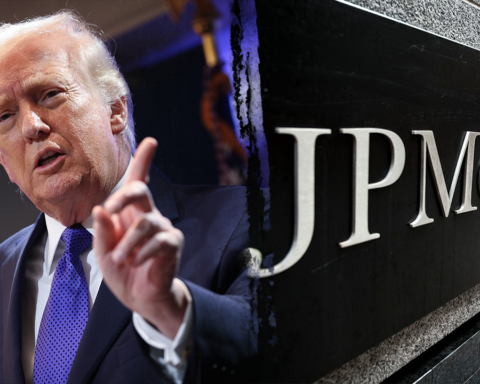
Pricing pressures, patent cliffs, and partnerships: Pharma executives on what lies ahead emerged as the defining themes at this year’s JPMorgan Healthcare Conference, where drugmakers and investors gathered in San Francisco to chart strategies for 2026 and beyond. Against the backdrop of shifting U.S. politics, dealmaking ambitions, and looming patent expirations, industry leaders offered a candid look at how they plan to navigate the next phase of change.
A Sector Searching for Stability
Drug pricing reforms, looming patent cliffs, and renewed dealmaking shaped nearly every conversation at the conference, set during the first year of what many executives now call “Trump 2.0.” After a cautious first half of 2025 marked by geopolitical uncertainty, optimism is returning. Investors see early signs of recovery in U.S. biotech, encouraged by easing interest rates and a growing belief that mergers, acquisitions, and IPOs could regain momentum.
Although the conference did not deliver blockbuster acquisitions, large pharmaceutical companies made one point clear: partnerships and targeted buyouts are central to their growth plans. With nearly $300 billion in potential revenue at risk as blockbuster patents expire later this decade, the hunt for new assets has become more urgent than ever.
Drug Pricing: Managing a New Reality
Executives largely agreed that recent drug pricing agreements, tied to the administration’s “most-favored-nation” policy, reduce uncertainty—even if they introduce new pressures. These deals link Medicaid prices to the lowest international benchmarks and require discounts through emerging direct-to-consumer platforms.
Sanofi CEO Paul Hudson acknowledged the financial impact but remained confident in the company’s long-term outlook, saying the focus now is on “managing the impact while delivering an attractive long-range plan.” AstraZeneca echoed that view, describing its exposure as limited and manageable, affecting only a small share of global sales.
Pfizer CEO Albert Bourla offered a sharper perspective, suggesting the agreements may strengthen companies’ leverage abroad. By pressing European markets to raise prices—or risk losing access to new medicines—he argued that global pricing dynamics could shift in favor of U.S.-based drugmakers.
Patent Cliffs and the Push for Deals
The industry’s looming patent expirations dominated discussions around strategy. As cheaper generics threaten revenue streams, executives emphasized innovation and acquisitions as their main defenses.
Merck, facing the eventual loss of exclusivity for its flagship cancer therapy Keytruda, projected that new products could generate $70 billion in annual sales by the mid-2030s. CEO Rob Davis made clear that disciplined dealmaking remains on the table, particularly for late-stage or already-approved therapies.
Bristol Myers Squibb, one of the most exposed companies due to the upcoming expiration of Eliquis, highlighted its robust pipeline. CEO Chris Boerner pointed to as many as 10 potential new launches by the end of the decade, backed by a broad search for innovative science across development stages.
At Novo Nordisk, patent expirations for semaglutide in select international markets signal what CEO Mike Doustdar called “the year of price pressure.” The company plans to counter lower prices with volume growth and active business development, following its high-profile loss in a bidding war over obesity biotech Metsera.
Vaccine Policy and Political Headwinds
Changes to U.S. immunization policy also drew strong reactions. Several executives voiced concern over reduced vaccine recommendations and the influence of political skepticism.
Pfizer’s Bourla warned that declining vaccination rates could fuel the return of preventable diseases, though he downplayed the financial impact on his company. Sanofi’s Hudson struck a more measured tone, saying the company remains focused on evidence-based dialogue with policymakers.
Despite the controversy, most executives framed vaccine rhetoric as a temporary disruption rather than a lasting threat to the sector.
Looking Ahead
As the conference closed, one message stood out: the pharmaceutical industry is entering a period defined by adaptation. Pricing pressures, patent cliffs, and partnerships: Pharma executives on what lies ahead is not merely a headline—it is the blueprint for how the sector plans to survive and grow.
With innovation pipelines strengthening, dealmaking poised for a revival, and pricing frameworks settling into place, 2026 may mark a turning point. For investors and drugmakers alike, the next chapter will depend on how skillfully they balance risk, science, and strategy in an industry once again in motion.