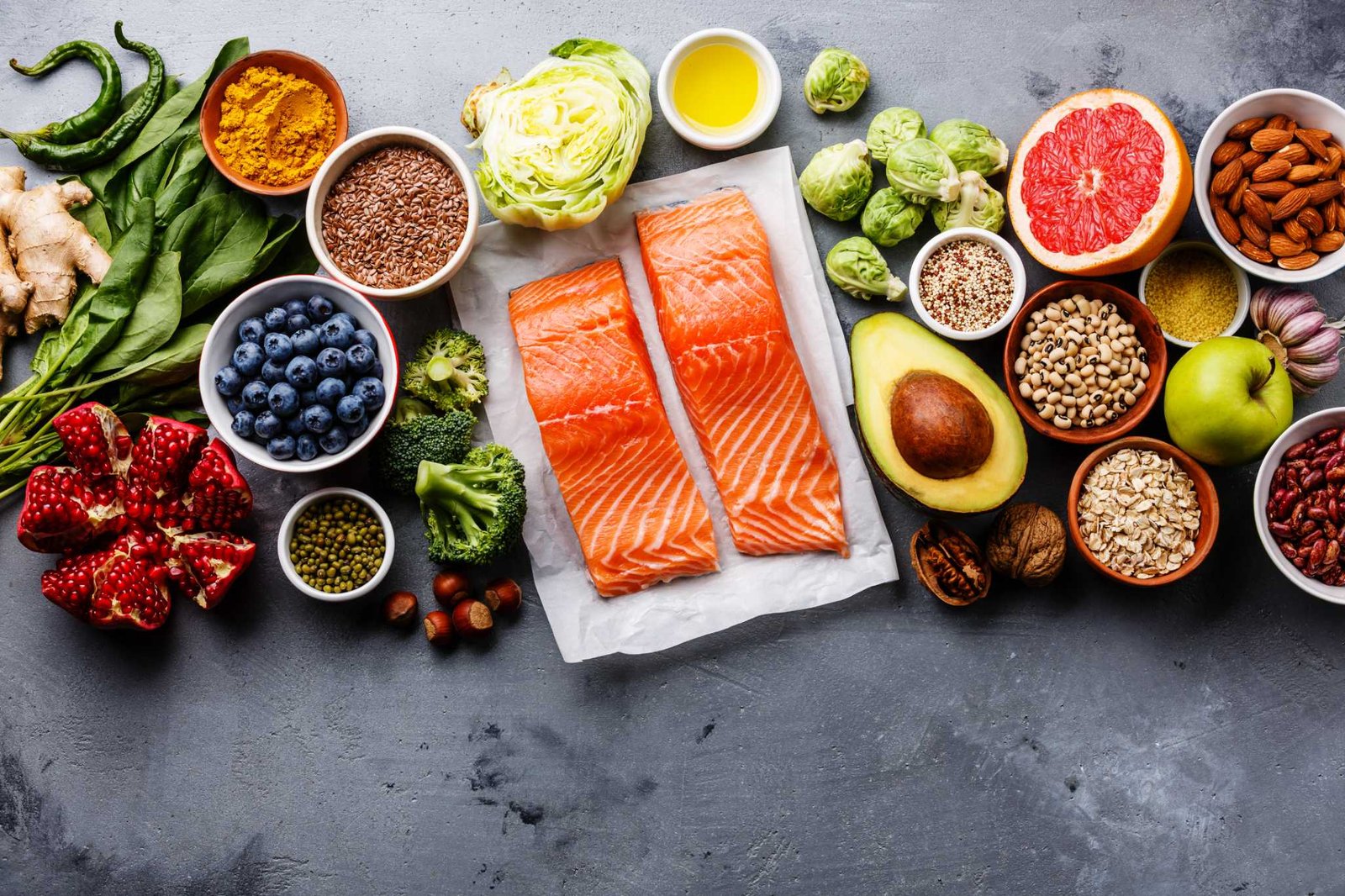
The latest update to America’s nutrition advice has sparked plenty of conversation—and confusion. The traditional food pyramid many of us grew up with is no longer the star of the show. In fact, it’s been flipped on its head, both visually and philosophically.
Instead of a rigid pyramid, today’s guidance is represented by the circular MyPlate, developed by U.S. health agencies to better reflect how people actually eat. Alongside this shift, the updated Dietary Guidelines for Americans place new emphasis on whole foods, protein intake, and cutting back on added sugars and ultra-processed items.
To make sense of it all, We consulted a dietitian to create a meal plan based on the new U.S. food guidelines—here’s what they came up with—and how it stacks up against two other popular approaches: MyPlate and the Mediterranean diet.


Three Eating Styles, One Big Question: What Should You Eat?
With three different frameworks offering slightly different advice, it’s no wonder many people feel stuck wondering what to put on their plate each day.
Registered dietitian Natalie Mokari, who works with clients in North Carolina, broke it down by building a full day of eating using all three approaches: the new food pyramid, MyPlate, and the Mediterranean diet. The goal wasn’t to declare a winner—but to highlight what each does well and where flexibility matters most.
Breakfast: Carbs, But Not All the Same
Breakfast is where the differences start to show, especially when it comes to carbohydrates.
The Mediterranean diet leans heavily on whole grains such as oats, quinoa, whole-grain breads, and brown rice. That’s why a Mediterranean-style breakfast might center on steel-cut oats topped with fruit and nuts. While this approach is rich in fiber and nutrients, Mokari notes it can be adjusted for people who are watching their carbohydrate intake.
MyPlate takes a more moderate stance. Carbohydrates should make up a little over a quarter of the plate across the entire day—not necessarily every meal. That’s why a breakfast under this plan might include low-fat yogurt, fresh fruit, and a small portion of granola.
The new food pyramid shifts carbs away from refined grains and toward fruits and vegetables. In this version of breakfast, carbohydrates may come from whole-grain toast, leafy greens like spinach, and fresh fruit.
“There’s a misconception that it’s a low-carb approach,” Mokari explains. “It’s not. It’s just emphasizing different sources of carbs.”
Lunch: Fiber Front and Center
Vegetables and fruits play a starring role at lunchtime across all three plans.
The updated food pyramid recommends about three servings of vegetables and two servings of fruit per day. The Mediterranean diet goes even further, encouraging fruits, vegetables, whole grains, and healthy fats at nearly every meal. A typical lunch might look like a hearty vegetable soup with beans, paired with whole-grain toast topped with hummus, tomato, and a sprinkle of feta.
MyPlate also promotes generous produce intake—roughly two to four cups of vegetables and one and a half to two cups of fruit daily for adults. Spread out over the day, that translates to multiple servings at lunch and dinner.
What’s noticeably missing from all three plates? Added sugars and heavily processed foods. Cutting back on both is consistent advice across the board.
“There isn’t a single dietitian who won’t tell you to eat more whole foods,” Mokari says. “That guidance is universal—and for good reason.”
The new food pyramid is particularly strict about added sugars, even suggesting zero added sugar for children ages 5 to 10. While well-intentioned, Mokari points out that this can be difficult in practice, since added sugars hide in many packaged foods.
“Reducing added sugar is a great goal,” she says, “but saying none at all isn’t very realistic for most families.”
Snacks and Dairy: Where Opinions Differ Most
Dairy is one of the clearest dividing lines among the three approaches.
The Mediterranean diet keeps dairy, poultry, and eggs to about one serving per day. MyPlate recommends low-fat dairy options, such as low-fat yogurt or milk. Meanwhile, the new food pyramid encourages full-fat dairy, incorporating cheese into meals and snacks throughout the day.
So which is best? According to Mokari, it depends on the person. Those with cardiovascular concerns may benefit from lower-fat options, especially if they drink milk regularly. For someone just adding a splash of milk to coffee, whole milk can fit just fine.
Milk can be a helpful source of protein and calcium, but it’s not essential for everyone. Often, water remains the best and simplest beverage choice at meals.
Both MyPlate and the Mediterranean diet rely more on healthy fats—like olive oil, avocados, and nut butters—rather than full-fat dairy to meet fat needs.
Dinner: Protein Takes the Spotlight
Protein recommendations vary widely among the plans.
The Mediterranean diet emphasizes fish, beans, nuts, and legumes, while MyPlate focuses on lean meats such as chicken and fish. The new food pyramid stands out by recommending significantly more protein—about 1.2 to 1.6 grams per kilogram of body weight per day, nearly double older guidelines.
It also highlights red meat and full-fat animal products more prominently. Mokari cautions that combining high intakes of full-fat dairy and red meat can make it challenging to stay within the long-standing recommendation that less than 10% of daily calories come from saturated fat.
For people with a history of, or risk for, heart disease, diets high in saturated fat are generally not advised.
What a Dietitian Actually Recommends
When it comes to real-world advice, Mokari doesn’t push a single plan. Instead, she focuses on shared principles that work across lifestyles and cultures.
She looks for balance among five core elements: protein, carbohydrates, healthy fats, fruits, and vegetables. Whole foods come first, but frozen and canned options can be practical and nutritious choices, too.
In general, she favors lean proteins, fiber-rich carbohydrates, and healthy fats like olive oil, avocado oil, avocados, and nut butters. There’s also room for refined carbs—such as white rice, pasta, or bread—when they fit a person’s lifestyle and preferences.
The key takeaway? Reduce added sugars and processed foods as much as is sustainable, not perfect. The best diet isn’t the strictest one—it’s the one you can actually enjoy and maintain.